Blippar · Augmented Reality Platform
Designing a Medium
Before It Knew What It Was For.
The technology was ready. The behavior wasn't.
Blippar · Augmented Reality Platform
The technology was ready. The behavior wasn't.
Blippar emerged during the earliest wave of consumer Augmented Reality (AR), when the technology was advancing faster than people understood how it fit into everyday life.
The platform could identify almost anything a camera pointed at — a face, a landmark, a product on a shelf. The prevailing assumption was that recognition itself would become the killer feature.
But recognition alone wasn't enough to create a lasting habit.
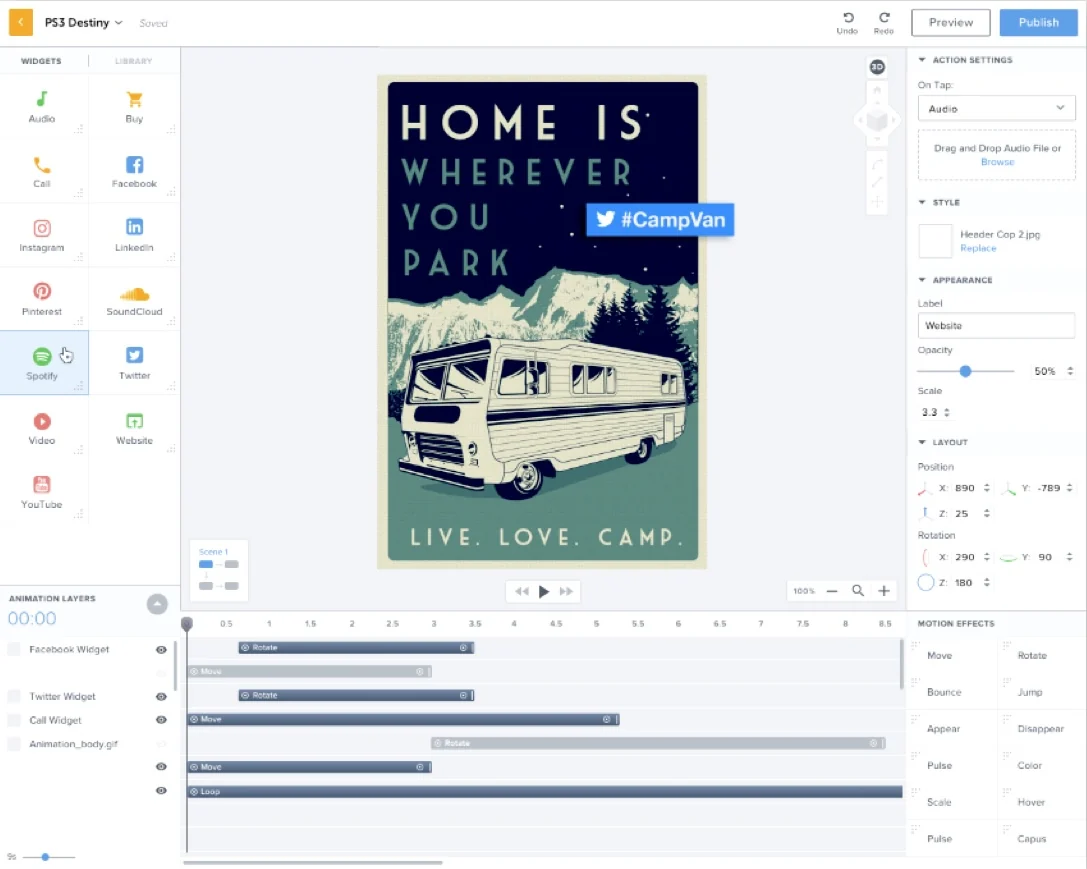
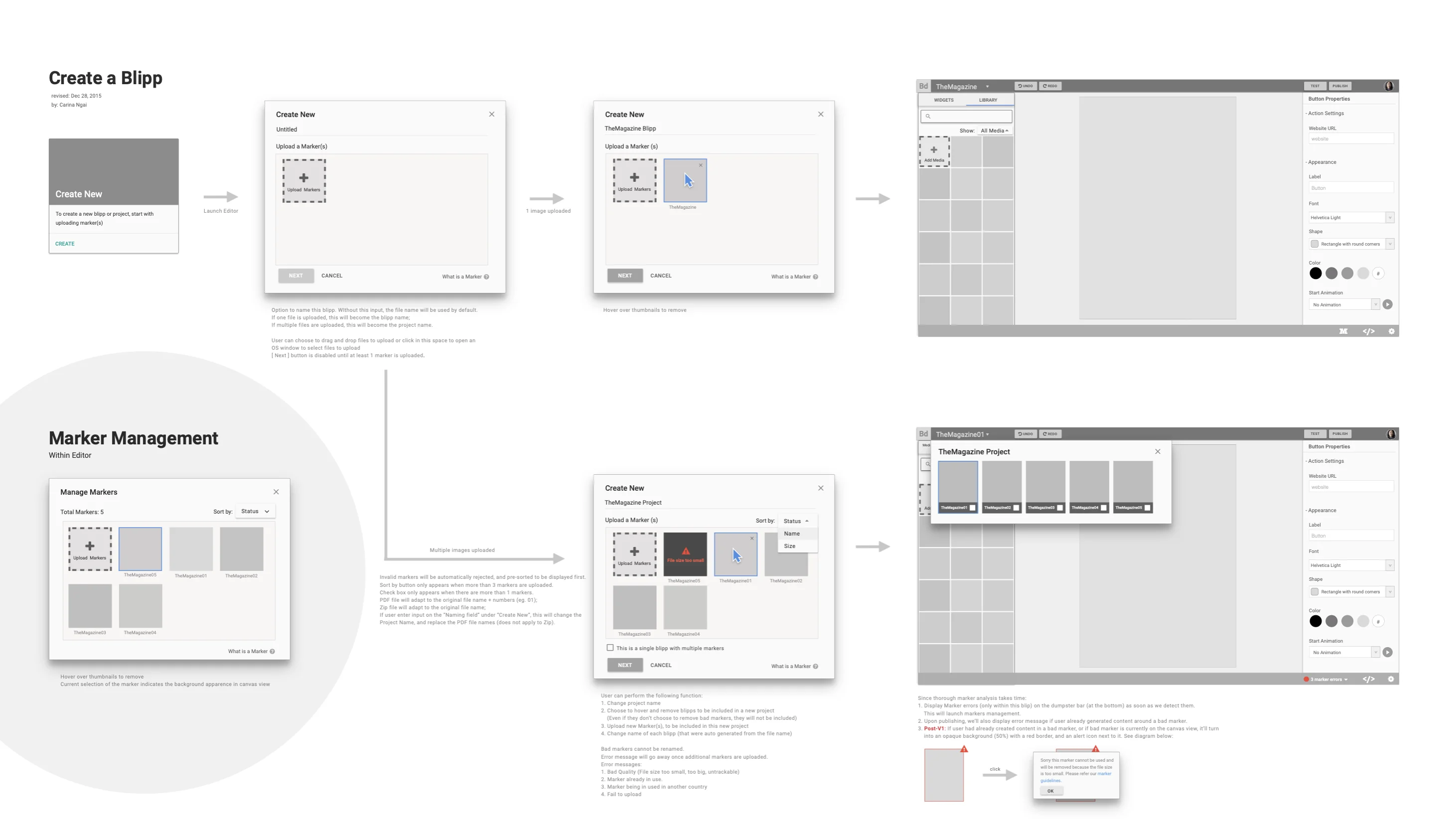
Much of my work focused on BlippBuilder, the platform's AR creation tool. The challenge was helping people create experiences for a medium that still had few established conventions.
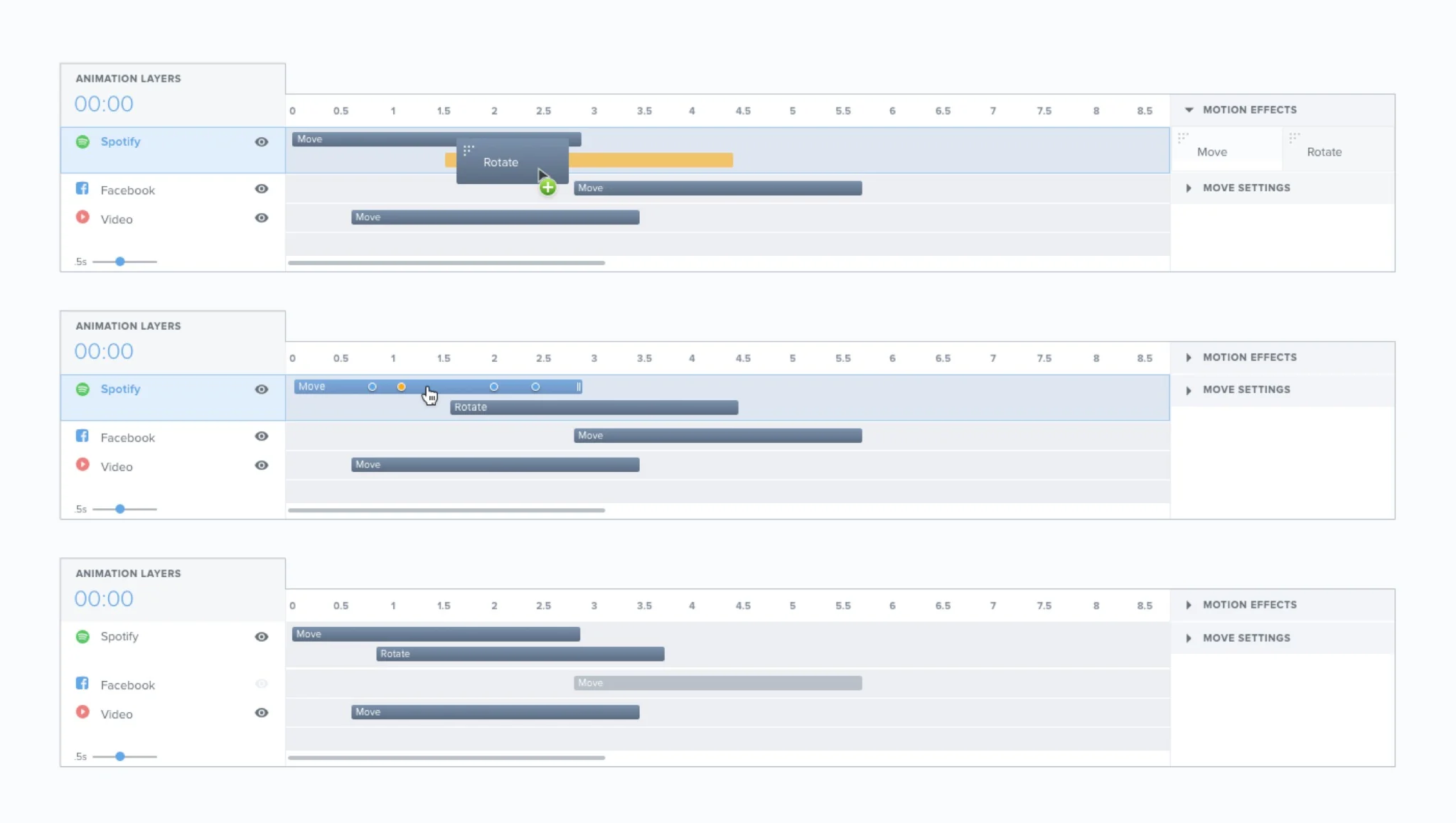
From assembling to authoring, the rebuilt BlippBuilder made AR behavior easier to sequence, edit, and understand, turning creation into something you could follow instead of a surface you had to decode.
The challenge
Blippar was shipping rapidly: visual search, face recognition, interactive brand activations, geo-linked content, and early creation tools. Each launch demonstrated what AR could technically do, but not why people would return once the initial surprise wore off.
The issue wasn't usability alone. Most experiences behaved like demonstrations of capability rather than something that naturally belonged in everyday routines.
The roadmap kept expanding while the role of AR in people's lives remained unclear.
High downloads. One-time use. No reason to return. The cycle repeated across new feature launches, suggesting the problem wasn't capability. It was the absence of a durable reason to return.
The strategic issue was the widening gap between what the technology could do and what people had a natural reason to do with it repeatedly.
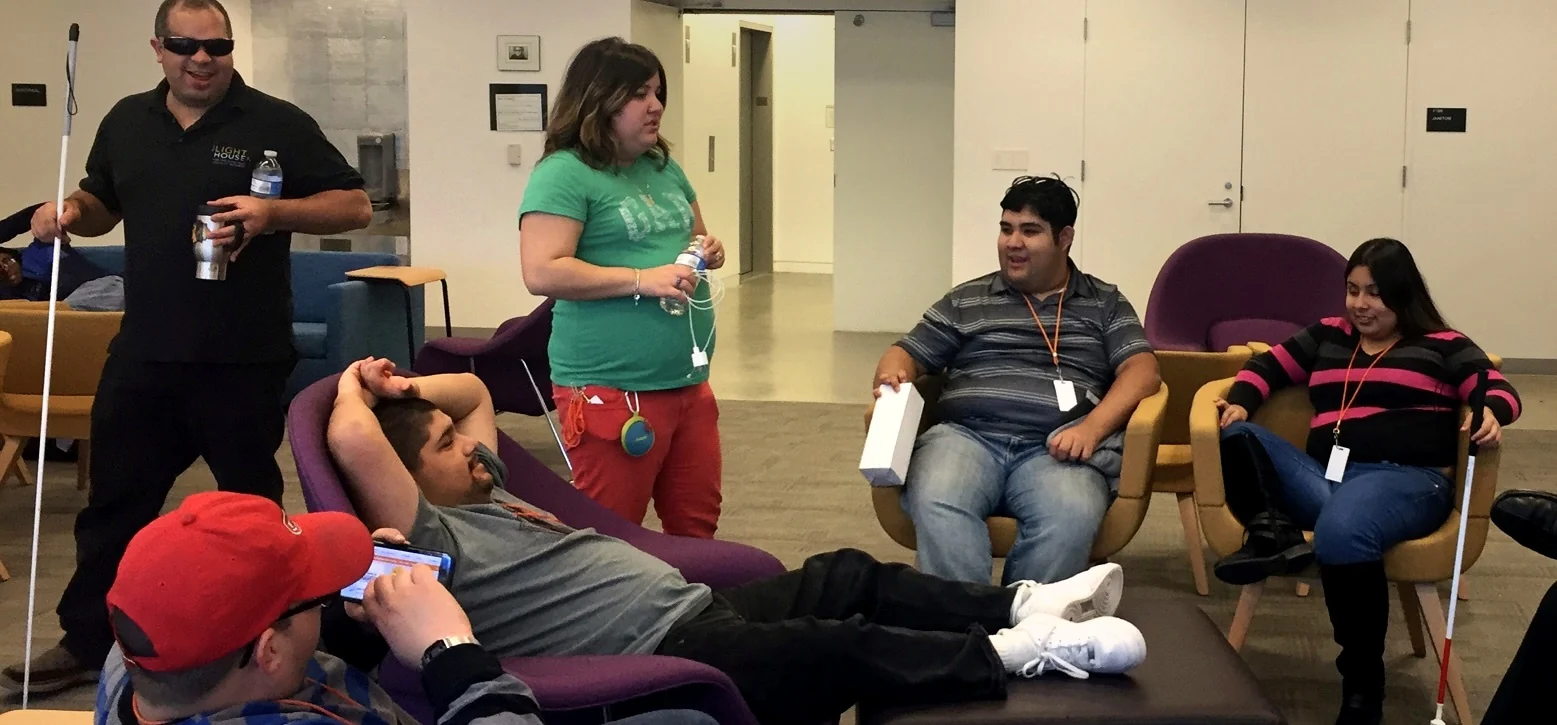
The teenagers shared how visually impaired people navigate the world, experience technology, and make sense of their surroundings. Their perspectives challenged many of the assumptions that shaped how AR was being designed.
Even without the visual layer, participants still wanted context, identity, and presence — not information delivery. The signal had survived the removal of the spectacle.
What we learned
The research revealed something deeper than feature feedback. People weren't trying to decode the world around them. They wanted to leave something of themselves in it.
They weren't struggling to understand AR technically. They were struggling to understand why it belonged in their lives.
The strongest moments weren't necessarily the most visually advanced. They were the ones that felt useful, socially legible, or lightweight enough to repeat.
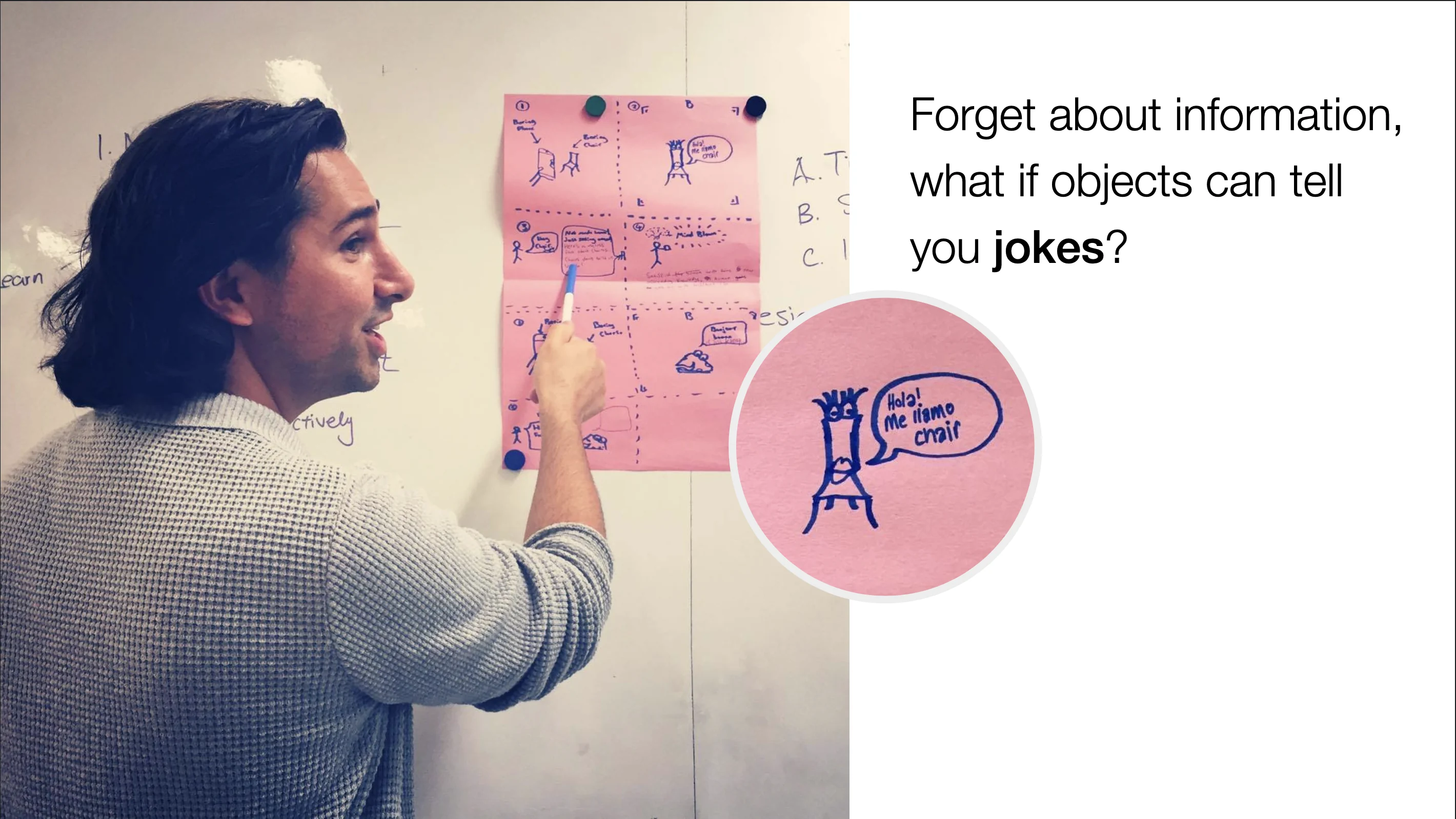
“What if objects could tell you jokes?”
A workshop moment in London where the team explored a different way to present information about an object.Capability alone did not create return behavior. The strategic question became what kinds of everyday behavior AR could naturally support.
Novelty is a launch strategy. It's not a retention model.
The strategic shift
The work shifted away from maximizing AR capability and toward reducing the friction between the medium and everyday behavior.
That reframing exposed a larger organizational tension. One model treated AR as a campaign-driven media layer for brands. Another imagined it as an enduring consumer platform.
One rewarded novelty spikes. The other depended on repeated return. The roadmap had been trying to serve both futures at once.
The business tension reflected a deeper category question: was AR a campaign format, a utility layer, or something still undefined?
Reflection
Blippar taught me that product strategy in emerging categories cannot rely on capability alone. The harder work is identifying the behavior a new medium can naturally support before the category has settled.
Recognition proved what the technology could see. The more important question was what people had a reason to do with it again. That shift from capability to behavioral meaning became the real design problem.
Looking Back
Designing a new medium
isn't just about the technology.
It's discovering what role it plays
in everyday life.
Carina NgaiProduct Design Lead
David MonteroUX Lead
Lynn SandbergSr. Product Designer
Richard PicotUX Designer
Maurice GroenhartProduct Manager
Ryan SchmaltzEVP, Business Strategy
Satheesh SubramanianVP Engineering
Hareesh RadhakrishnanSenior Software Engineer
Ben MorrowSenior Backend Engineer
LightHouse for the BlindSan Francisco