Roblox
When Play Feels
Socially Risky
Before kids decide what to play, they decide whether they feel safe enough to participate.
Roblox
Before kids decide what to play, they decide whether they feel safe enough to participate.
I was leading product design at Roblox when the team was asked to improve game discovery. Research we ran revealed the real problem was social confidence — not navigation. That reframe changed what we prioritized, what we built, and how the product team was organized.
The problem wasn’t discovery.
It was social confidence.
Roblox asked how to help kids find more games. The assumption was navigational: better recommendations, clearer categories, smarter search.
The data told a different story. Kids were already finding games. The hesitation happened right before they joined them.
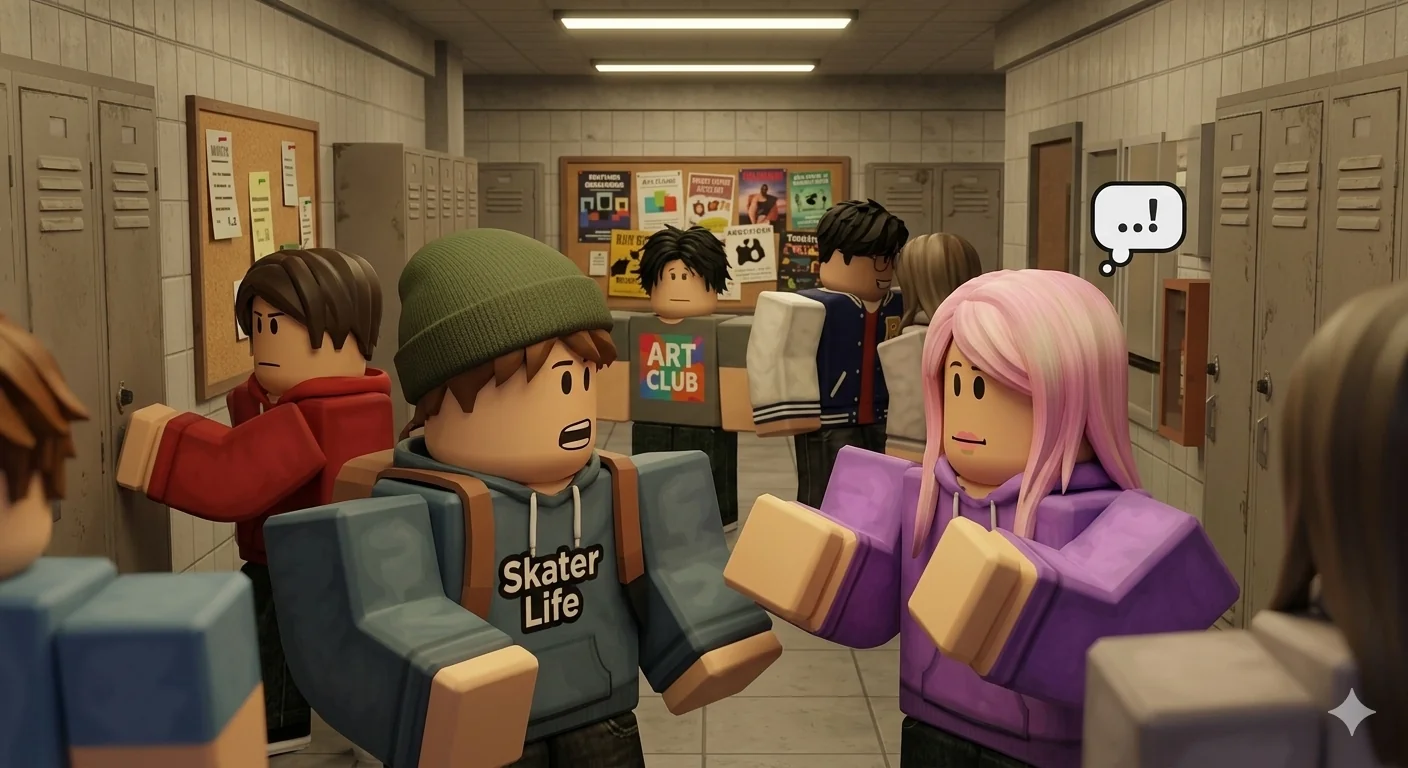
Entering a game on Roblox wasn't purely a gameplay decision — it was a social one. The moment you stepped in, other players could see how your avatar looked, how you communicated, whether you seemed like someone who belonged there.
For younger players especially, that moment carried real emotional weight. Internally, Avatar, Discovery, Onboarding, and Social were treated as separate product areas. But kids experienced them as a single continuous system — one that either prepared them to participate socially, or left them exposed.
“What helps kids feel safe enough to participate?”
What kept surfacing
“I feel unwelcome whenever somebody says my character isn’t cute, or that I don’t have enough money to look good.”
Research participant · Roblox player, age 10That quote reframed the problem. A default avatar wasn't just cosmetic — it could mark a player as inexperienced or exposed before they had said a word to anyone.
Many players joined games because their friends were there. If their friends weren't online, they often didn't want to play at all. The game itself mattered less than the social context surrounding it.
Players weren't simply browsing content. They were deciding whether they felt ready to be seen.
Many kids disengaged socially before they stopped playing Roblox.
The leadership moment
The instinct across the organization was to move quickly. Discovery metrics existed — engagement rates, session starts, funnel drop-off. The pressure was to optimize what was already measurable.
I pushed back.
Metrics show behavior, not motivation.
Optimizing recommendations without understanding why kids were hesitating would mean shipping the wrong solution — one that looked like progress and wasn't. That argument, made to PMs and leadership, created the space to step back and study how kids actually decide whether to participate.
That finding gave me the grounds to redirect the work entirely.
How product direction shifted.
That changed what we prioritized.
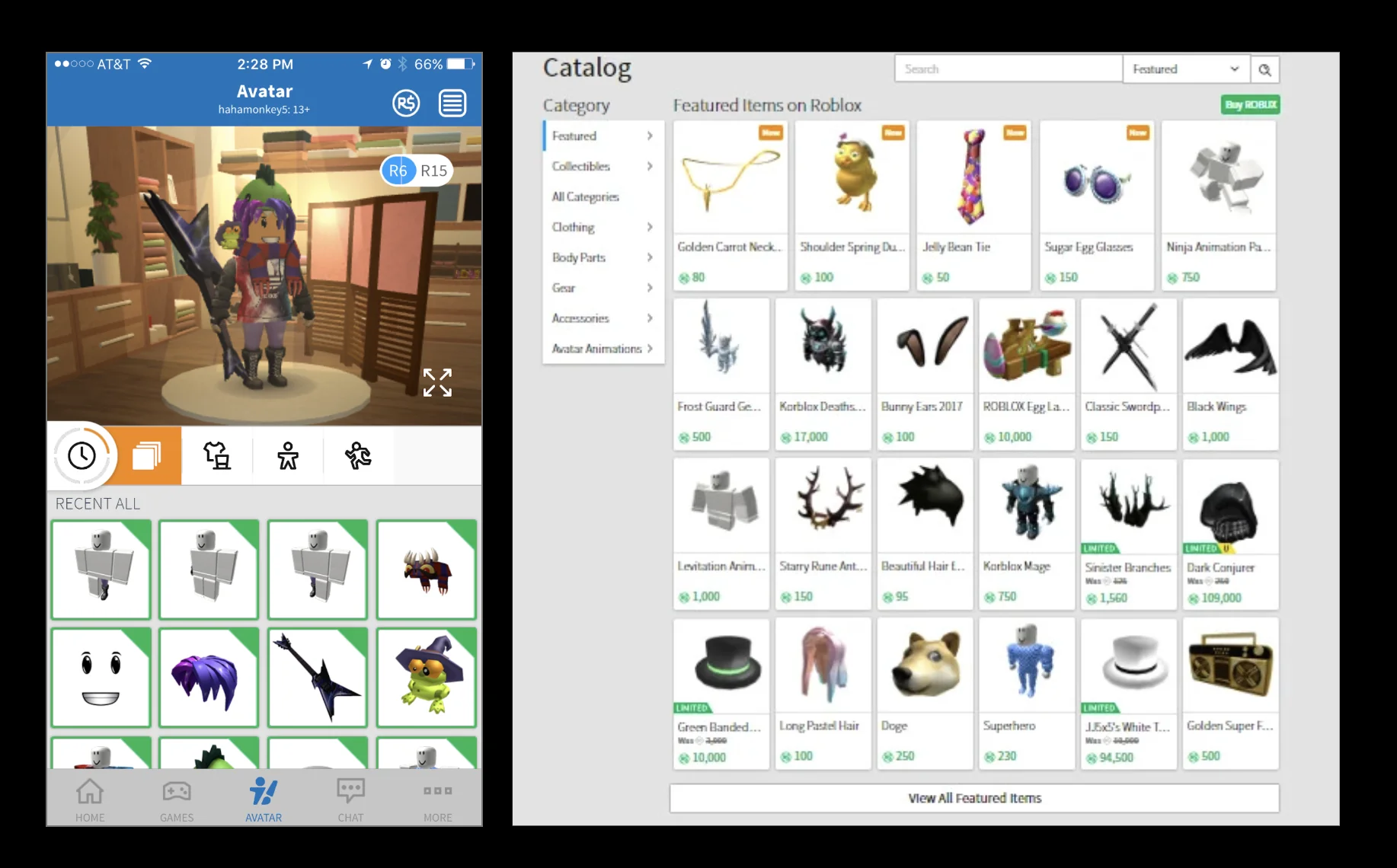
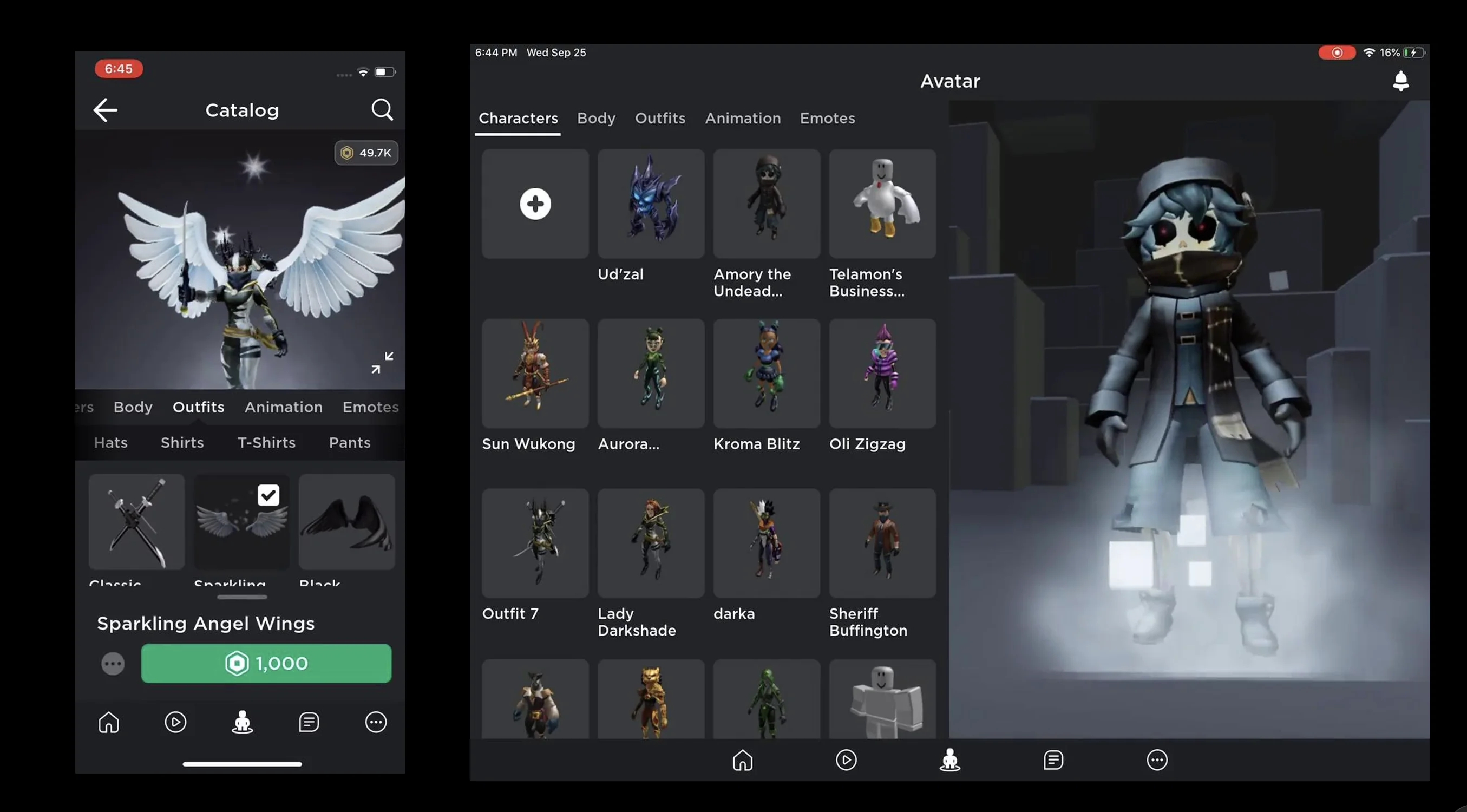
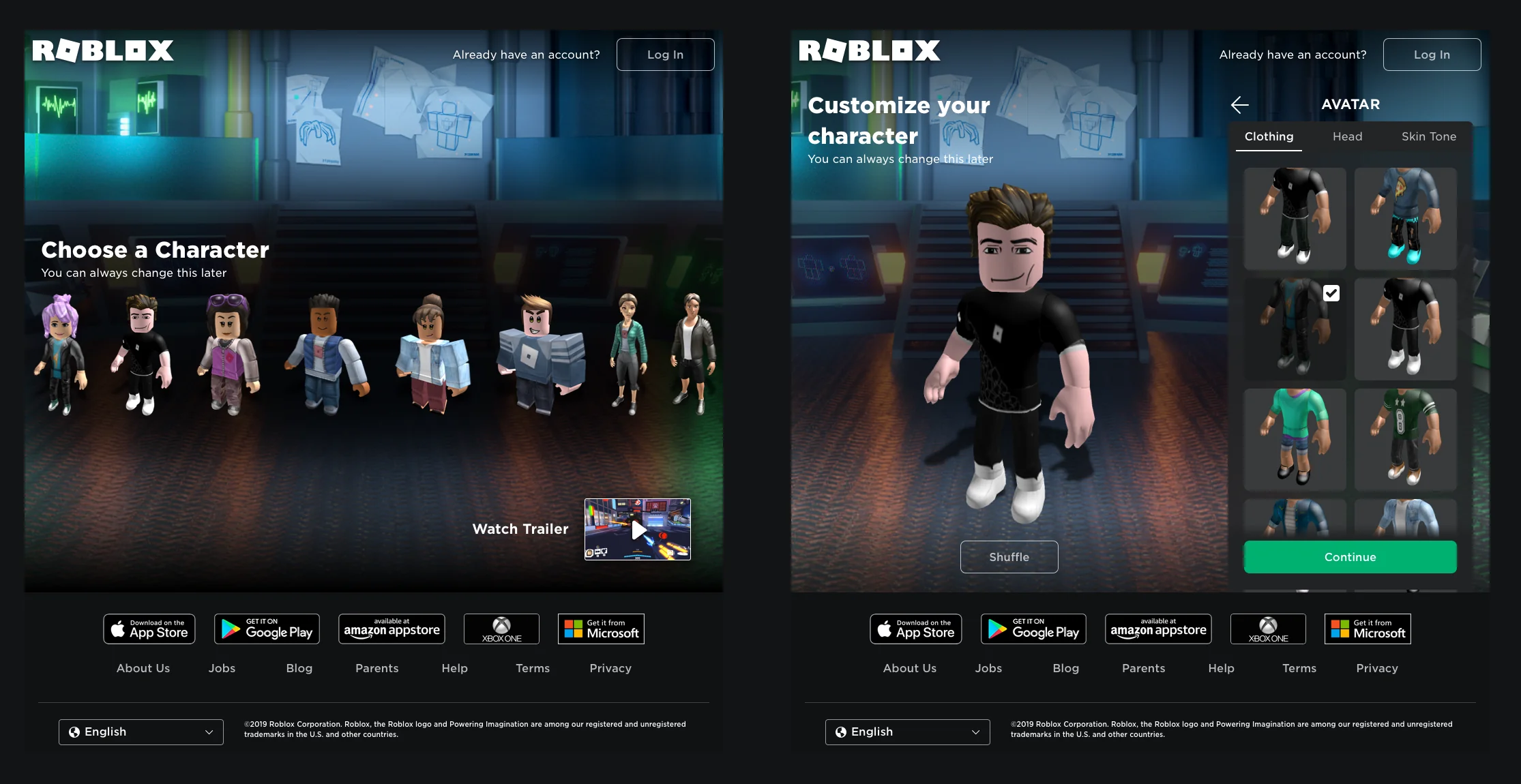
Once confidence became the real problem, the work shifted from optimizing discovery toward helping players feel more prepared to participate socially.
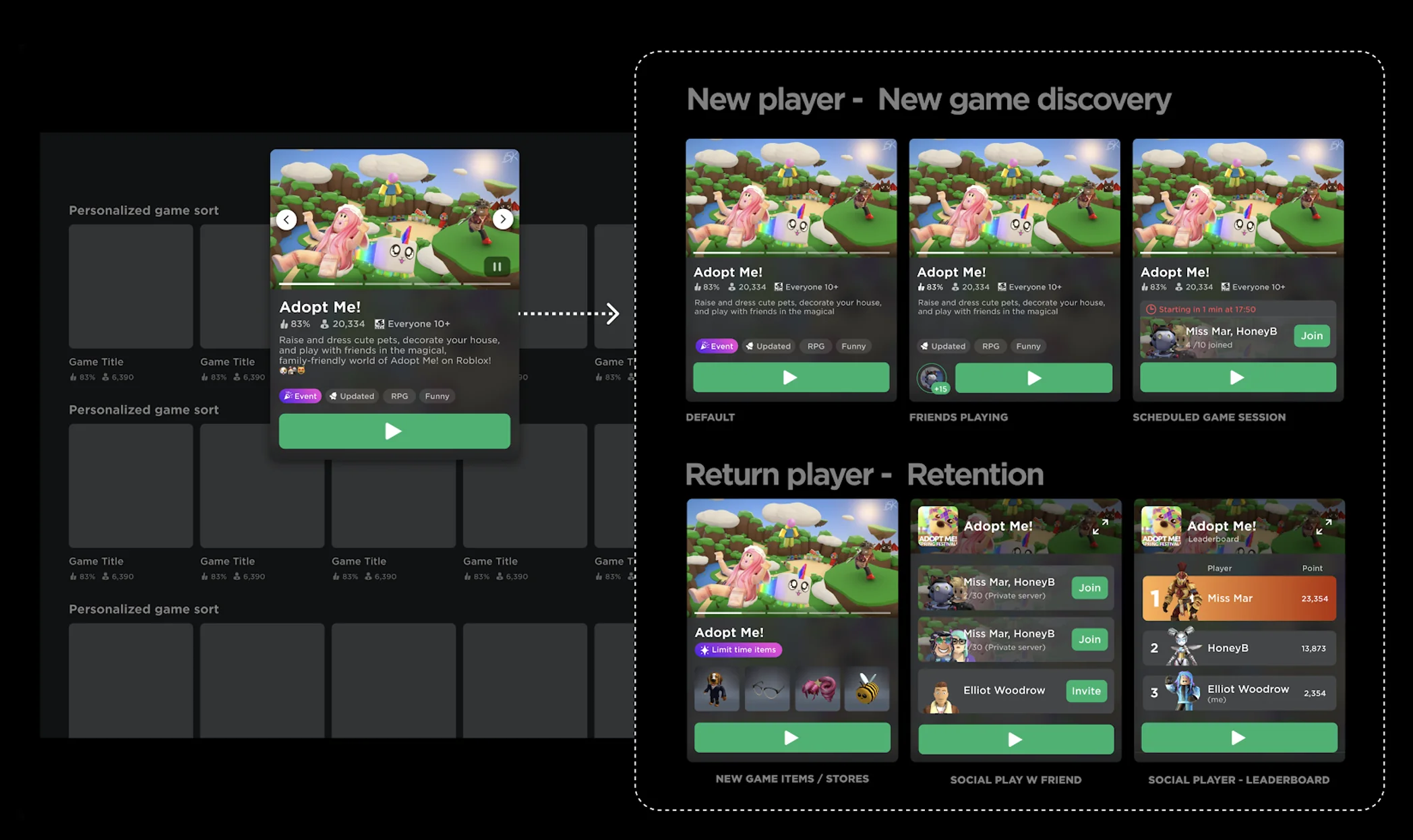
What the work changed
The most visible shift was in the product. But the more consequential change was organizational.
The argument I made to leadership — that social confidence, not content discovery, was the real blocker — led to a structural change. The Social team, previously focused on safety and moderation, expanded its mandate to cover participation and social readiness. Safety asks: what do we protect players from? Participation asks: what helps players feel ready to show up? Those are different problems that require different design investment — and the org needed to treat them that way.
I also repositioned how the team used research — from validating solutions to problems already assumed, to questioning whether the right problems were being considered at all. That shift was as important as any individual product decision.
What the work made visible
For a 10-year-old on Roblox, the barrier to entry isn't usually that they can't find something to play. It's that they're not sure they'll be accepted when they get there. That's a harder problem to instrument. It doesn't show up in session-start rates or recommendation CTR. It shows up in the kids who stopped opening the app.
Before people explore, socialize, or contribute, they first need to feel ready to show up. Products that miss that miss the actual barrier.
That's the lens I bring to any product with a participation problem — design for the moment before someone decides to show up, not just for what happens after they do.
Carina Ngai Product Design Manager
Stella Chen Product Designer
Sean Donahue Principal, RCD/LA Core Faculty, Graduate Media Design Practices (MDP), ArtCenter College of Design
Kenny Jou Lead Product Manager, Game Discovery Vertical
Anant Agrawal Associate Product Manager